

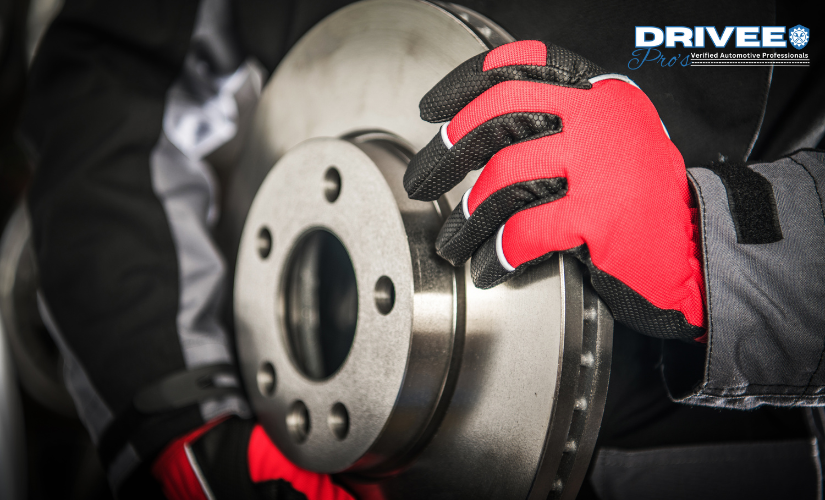
How to Spot and Prevent Brake Problems: Warning Signs You Shouldn’t Ignore
Your brakes are one of the most critical safety components of your vehicle. If they’re not functioning properly, your ability to slow down, stop, and react to road conditions can be severely compromised. Fortunately, most brake problems come with clear warning signs if you know what to look for. Here’s how to spot early signs of brake issues, what they mean, and some tips on keeping your brakes in peak condition.
1. Squeaking or Squealing Sounds
A high-pitched squeal is one of the most common indicators of brake issues. This sound usually means your brake pads are worn and need replacement soon. Most brake pads have a small metal shim that makes a squealing noise when the pad has worn down to a certain level.
What It Means
- Brake Pads Are Worn: Squeaking usually indicates the brake pads are close to the end of their lifespan.
What to Do
- Get the Pads Checked: Schedule an inspection and replace the pads if necessary. Ignoring worn pads can lead to damage to the rotors, which are more costly to repair.
2. Grinding or Growling Sounds
A grinding or growling noise is a more serious warning sign that typically indicates the brake pads are completely worn down. This allows the metal caliper to make contact with the brake rotor, which can cause serious damage.
What It Means
- Metal-on-Metal Contact: When you hear grinding, it’s likely that the brake pads have worn away completely.
What to Do
- Replace Immediately: Don’t delay if you hear grinding. Continuing to drive in this condition can lead to rotor damage, resulting in costly repairs.
3. Soft or Spongy Brake Pedal
If your brake pedal feels soft, spongy, or goes almost to the floor before your car begins to slow, it’s likely a sign of a problem with the brake fluid or an issue with the brake lines.
What It Means
- Brake Fluid Leak or Air in the Lines: A soft pedal is often caused by air trapped in the brake lines, or it can indicate a brake fluid leak.
What to Do
- Check Brake Fluid Level: Top up the fluid if it’s low, but if the issue persists, get a professional inspection. Driving with low brake fluid can impair your braking ability and should be resolved quickly.
4. Vibration When Braking
If you notice a vibration or pulsating sensation when you apply the brakes, it could be a sign of warped rotors. Rotors can become warped due to extreme heat, usually from heavy braking over time, which causes them to lose their even surface.
What It Means
- Warped or Damaged Rotors: A vibrating pedal is often due to rotors that are no longer smooth, affecting the braking process.
What to Do
- Get the Rotors Resurfaced or Replaced: Depending on the severity, a mechanic can often resurface the rotors, but severely warped ones may need replacement to ensure smooth braking.
5. Car Pulls to One Side While Braking
If your car pulls to one side when you apply the brakes, it could mean a problem with the brake caliper or uneven brake pad wear. This can affect your control of the vehicle and could be a safety hazard.
What It Means
- Sticking Caliper or Uneven Pads: A stuck caliper or unevenly worn brake pads can cause the car to pull in one direction.
What to Do
- Schedule a Brake Inspection: A mechanic can inspect the calipers and pads, replacing any components that are stuck or worn unevenly.
Preventive Tips to Keep Your Brakes in Top Shape
Proactive maintenance can extend the life of your brakes and help you avoid unexpected issues. Here are some preventive tips:
Have Your Brakes Inspected Annually: A professional brake inspection once a year can help spot early signs of wear or damage. Regular inspections can catch minor issues before they become serious problems.
Replace Brake Pads Regularly: Brake pads usually need replacement every 30,000 to 70,000 miles, depending on driving habits and vehicle type. Following your manufacturer’s guidelines can help you stay on schedule.
Check Brake Fluid Levels: Brake fluid is essential for proper brake function, and it should be checked at least twice a year. Low or dirty fluid should be replaced to maintain braking efficiency.
Avoid Hard Braking: Sudden stops can create excess heat and stress on the brakes, leading to faster wear on pads and rotors. Practice gradual braking to extend the life of your brake components.
Conclusion: Don’t Ignore Brake Warning Signs
Brake issues aren’t just a minor inconvenience—they’re a safety concern. By learning to recognize these common warning signs and staying proactive with brake maintenance, you can ensure that your vehicle’s braking system is reliable and responsive. If you experience any of the symptoms mentioned, don’t wait to get your brakes checked. Staying on top of brake care is an investment in your safety and the longevity of your vehicle.
We write rarely, but only the best content.