

What Causes Corrosion on Your Car Battery (and How to Prevent It)
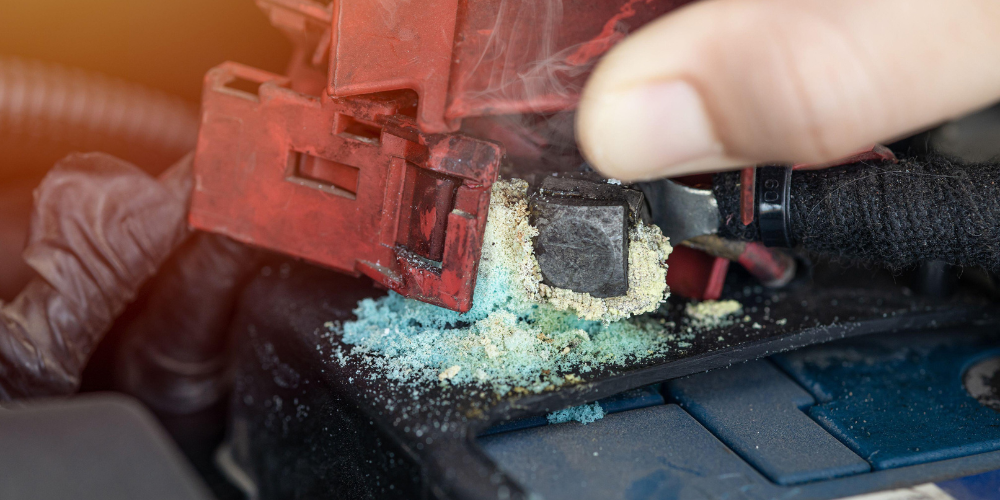
It’s one of those things most drivers notice too late — a strange white, green, or bluish crust around the car battery terminals. It looks messy, smells odd, and before you know it, your car struggles to start. That’s battery corrosion, and while it’s a common issue, it’s also one that can lead to costly electrical problems if ignored.
At DriveePros, we see it every week across Calgary and surrounding areas. Let’s break down what causes battery corrosion, what it means for your vehicle, and how you can prevent it — or fix it fast with our mobile battery service.
What Is Battery Terminal Corrosion?
Battery corrosion is a chemical reaction that happens where the battery posts and cable clamps connect. Over time, acid fumes or moisture can react with the metals, leaving a powdery buildup.
Depending on your battery type, the corrosion may appear:
- White or grayish (common on aluminum or zinc clamps)
- Blue or green (often copper sulfate on copper terminals)
- Brownish (rust-like oxidation from exposed metal)
Corrosion acts like rust on your battery’s ability to transfer power. Even a small amount can increase resistance, making your car harder to start, dimming your headlights, or even triggering electrical warning lights.
Top Causes of Battery Corrosion
1. Age and Battery Wear
Car batteries naturally vent small amounts of acid vapors as they age. Once your battery passes the 3–5 year mark, those vapors can escape through the vents and settle around the terminals, forming corrosion crystals.
Older batteries also tend to leak slightly around the post seals, especially in extreme Alberta winters when the metal expands and contracts.
2. Overcharging or Undercharging
Your alternator plays a major role in how healthy your battery stays.
- Overcharging can boil the electrolyte inside, forcing acid and gas out through the vents, coating the terminals in acid residue.
- Undercharging allows sulfate crystals to build up inside the battery, creating more hydrogen gas — another trigger for corrosion.
If corrosion comes back soon after cleaning, it’s often a charging system issue, not just a dirty terminal.
3. Leaking or Vented Fluid
Overfilled batteries or damaged cases can leak electrolyte (acidic fluid) around the posts. Even a few drops can react with the metal clamps, starting the corrosion process.
This is one reason it’s important to have a technician inspect the battery casing during every maintenance visit — not just check the voltage.
4. Dissimilar Metals & Galvanic Reaction
Sometimes, corrosion isn’t even caused by the battery itself. If your battery post and terminal clamps are made of different metals — say, lead posts and copper clamps — a galvanic reaction can occur, slowly eating away at one of the metals.
Moisture and temperature swings make this worse, which is why Alberta drivers see corrosion spike in spring and fall.
5. Environment & Poor Maintenance
Moisture, road salt, dirt, and oil buildup can accelerate corrosion. Vehicles parked outside or used infrequently are more prone to this issue.
If you rarely pop the hood, corrosion might go unnoticed until the vehicle won’t start — at which point, it’s often too late to clean; the battery may need replacement.
What Happens If You Ignore Battery Corrosion?
Corrosion might look harmless, but it’s a silent performance killer. Over time, it can:
- Increase resistance and voltage drop at the terminals
- Prevent the alternator from charging the battery properly
- Lead to poor starts or intermittent electrical issues
- Damage cable ends and connectors (requiring expensive repairs)
Worse, corrosion can be a symptom of a deeper issue — such as an alternator that’s overcharging or a cracked battery case.
How to Clean Battery Corrosion Safely (DIY Tips)
If the buildup is mild, you can safely clean corrosion yourself with a few household items:
- Turn off your vehicle and remove the key.
- Wear gloves and eye protection — battery acid is corrosive.
- Disconnect the cables (negative terminal first).
- Mix a tablespoon of baking soda with water, and scrub the terminals with an old toothbrush or wire brush.
- Rinse with clean water and let it dry fully.
- Reconnect cables (positive first this time).
- Apply a small amount of dielectric grease or battery terminal protectant to prevent future buildup.
⚠️ Important: If you notice large cracks, fluid leaks, or excessive corrosion that returns often, don’t just clean it — it’s time to have the battery tested.
How to Prevent Battery Corrosion
A few simple habits can extend your battery’s life and prevent corrosion:
- Keep your charging system in check — ask for an alternator test annually.
- Clean your battery terminals every few months.
- Park indoors or use a battery blanket during freezing temperatures.
- Avoid overfilling or topping off sealed batteries.
- Use anti-corrosion washers or spray protectants after installation.
- Replace aging batteries proactively instead of waiting for failure.
When to Call the Pros
If corrosion keeps returning or your car is slow to start, it’s time to call in a professional. At DriveePros, we don’t just replace batteries — we test them first.
Our mobile techs service Calgary, Airdrie, Crossfield, Okotoks, Chestermere, Balzac, Carstairs, Cochrane, and Olds, Alberta. We’ll:
- Test your existing battery and charging system
- Bring a new battery to your location (Eco or Premium options)
- Handle installation, delivery, and disposal — all included in the price
- Follow up to ensure everything’s running smoothly
Most mobile battery services start around $75.50 + battery cost, with full transparency before we arrive.
If you’re dealing with recurring corrosion or an unreliable battery, request a quote below — we’ll come to you.
FAQs: Car Battery Corrosion
Usually white or bluish-green, depending on the metal type.
Not always — but it can signal poor charging or age-related venting. Have it tested before replacing.
You can reduce it significantly with dielectric grease or anti-corrosion sprays, but some mild buildup over time is normal.
Yes. Corrosion interferes with power flow and can cause weak or no starts.
If the battery is more than 3 years old, or corrosion returns after cleaning, it’s usually best to replace it.
Need Battery Help?
Don’t waste time with jump starts and guesswork.
📍 Serving Calgary & Surrounding Areas
🚗 Mobile testing, delivery and replacement
📞 Request a Battery Quote
We write rarely, but only the best content.